
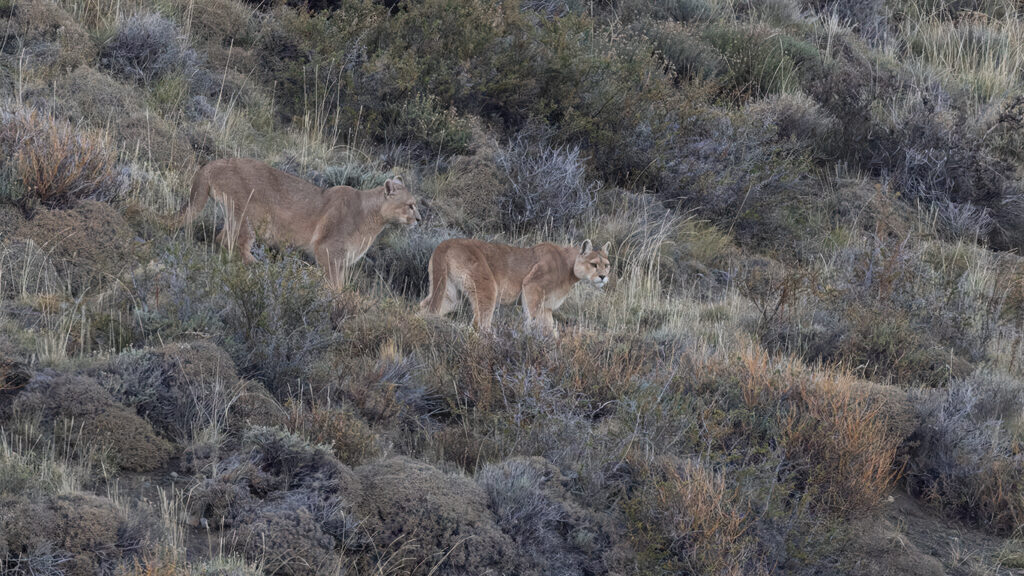
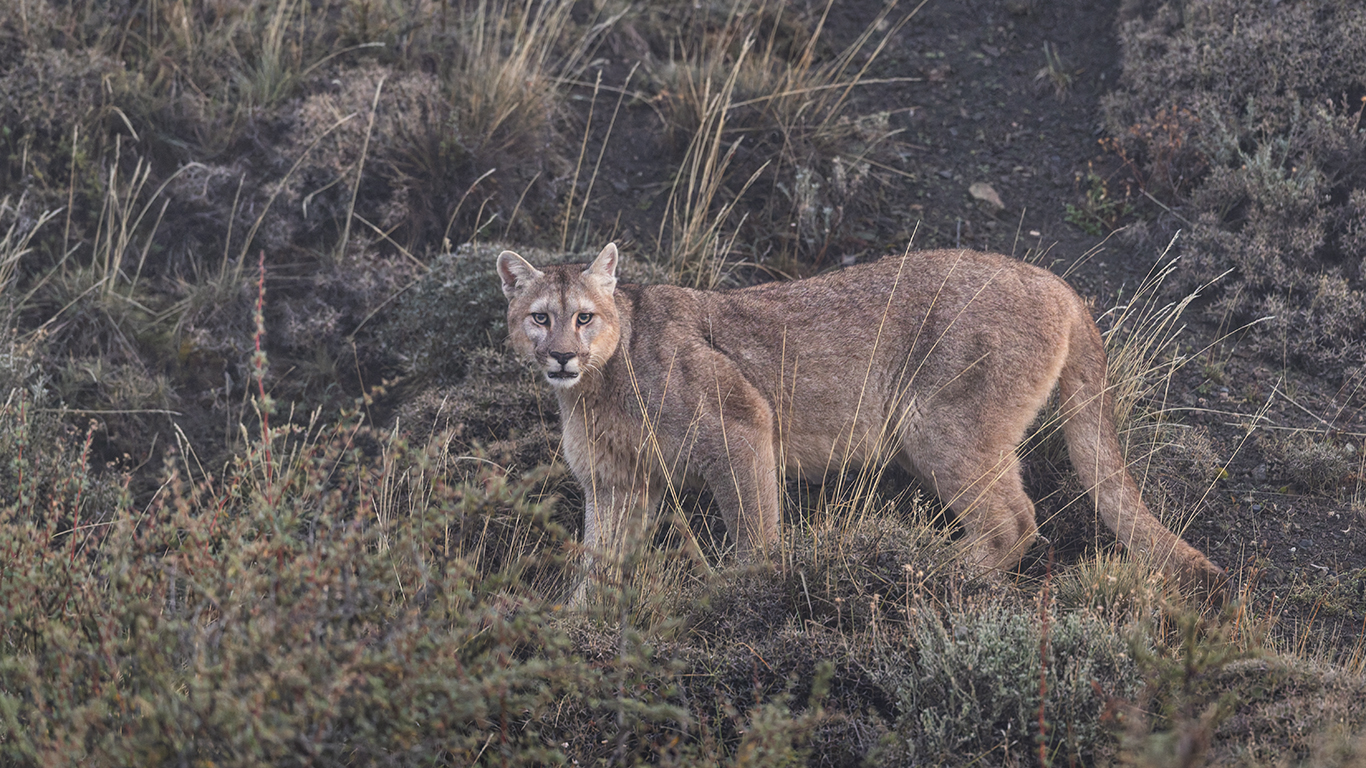
Pumas of Patagonia
June 2027
2027
May 30th Santiago Chile
Dynamic and cosmopolitan Santiago is a vital and versatile city. It has become one of Latin
America’s most modern cities in recent years. With its many museums, events, theatres, and other
entertainment and cultural opportunities, it is not only the political but also the cultural centre of
the country. Its central location makes it a great base for visiting other areas: it is possible to ski
in the nearby Andes and later be on the beach in the same day. The city’s diversity shines through
in its many contrasting neighbourhoods. Set out to explore the city streets and you’ll discover
beautiful and original art galleries, design shops and handicraft markets, as well as a great selection of restaurants, bars and cafes.
May 31st Santiago
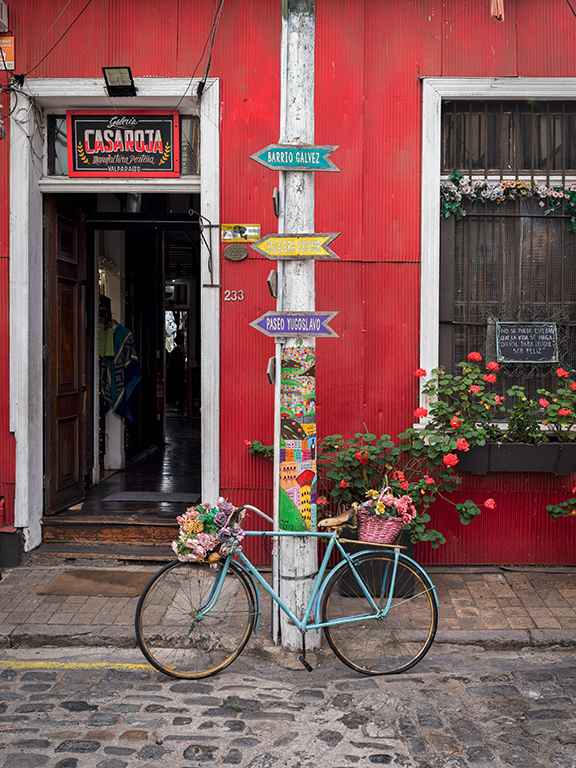
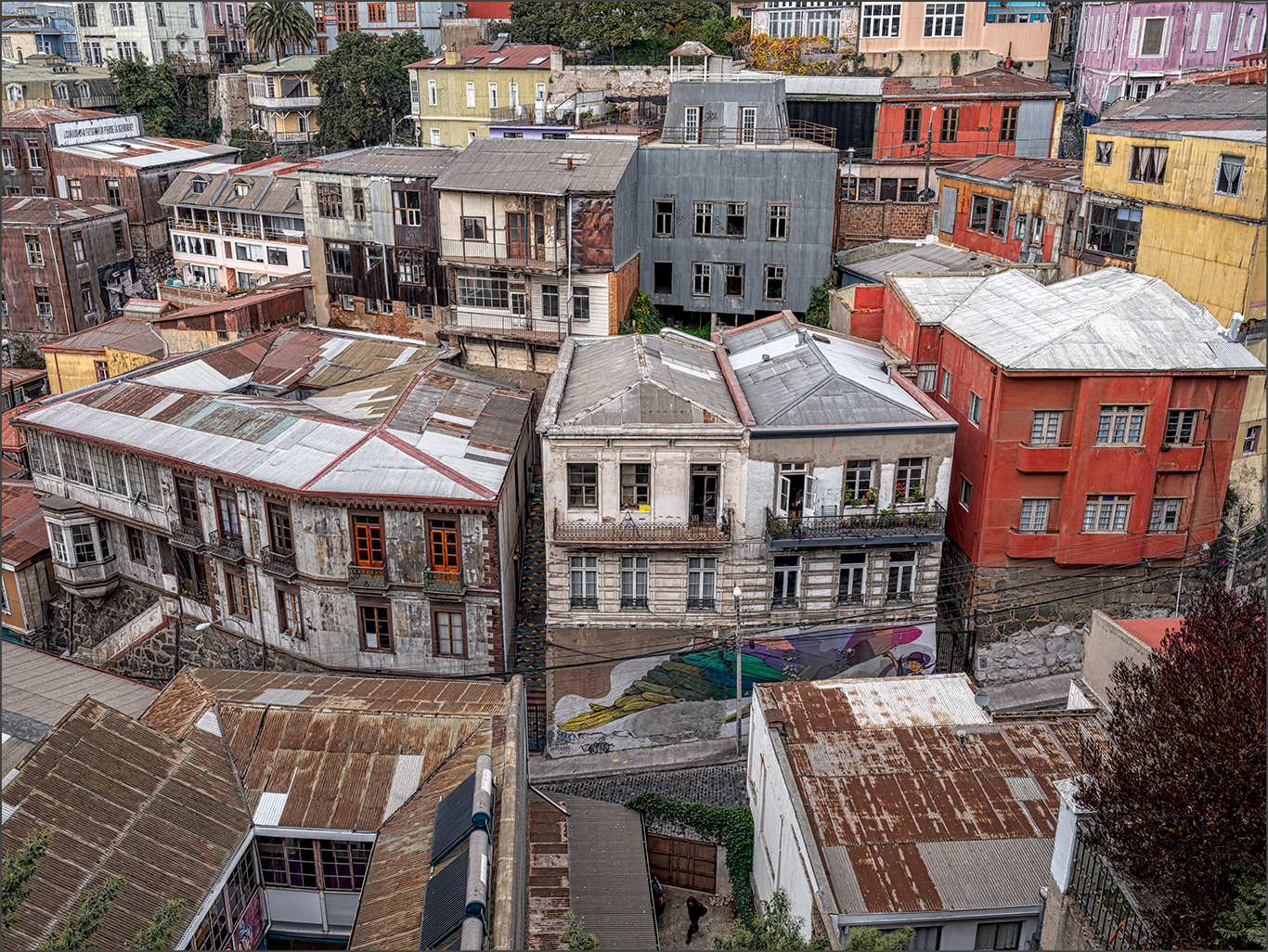
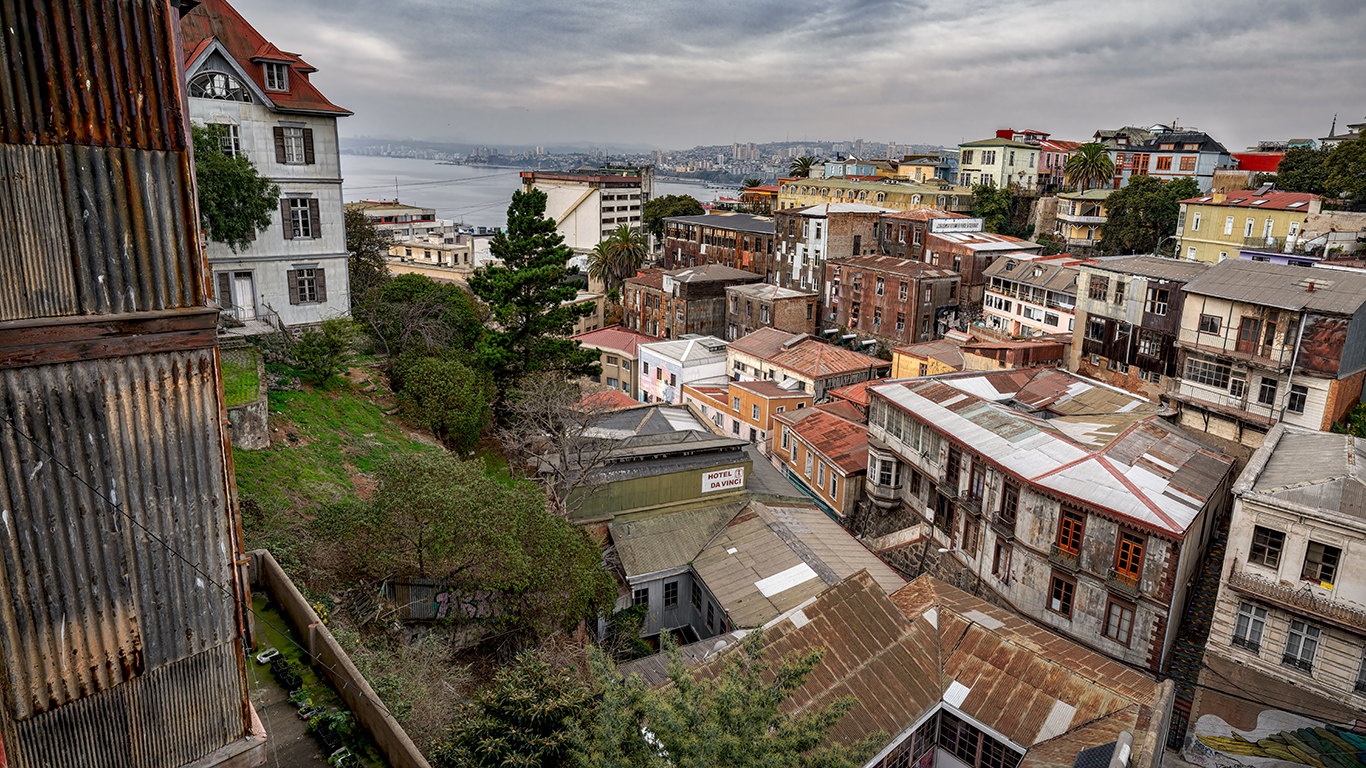
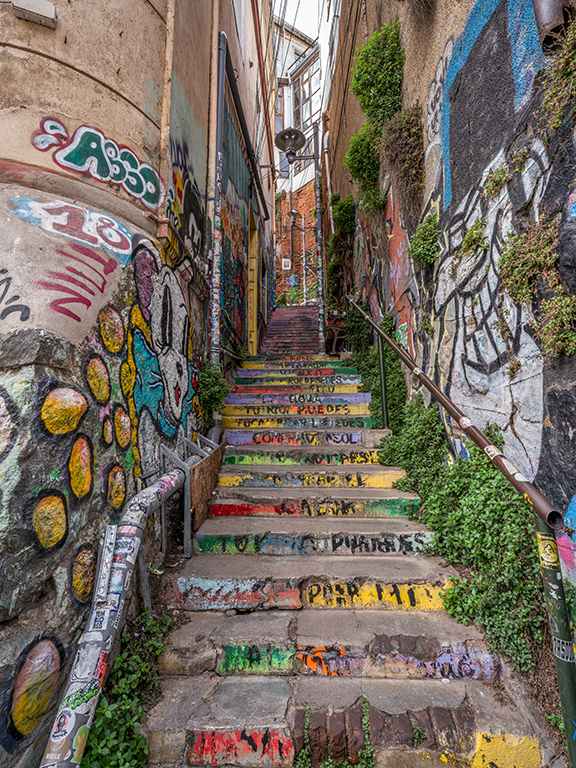
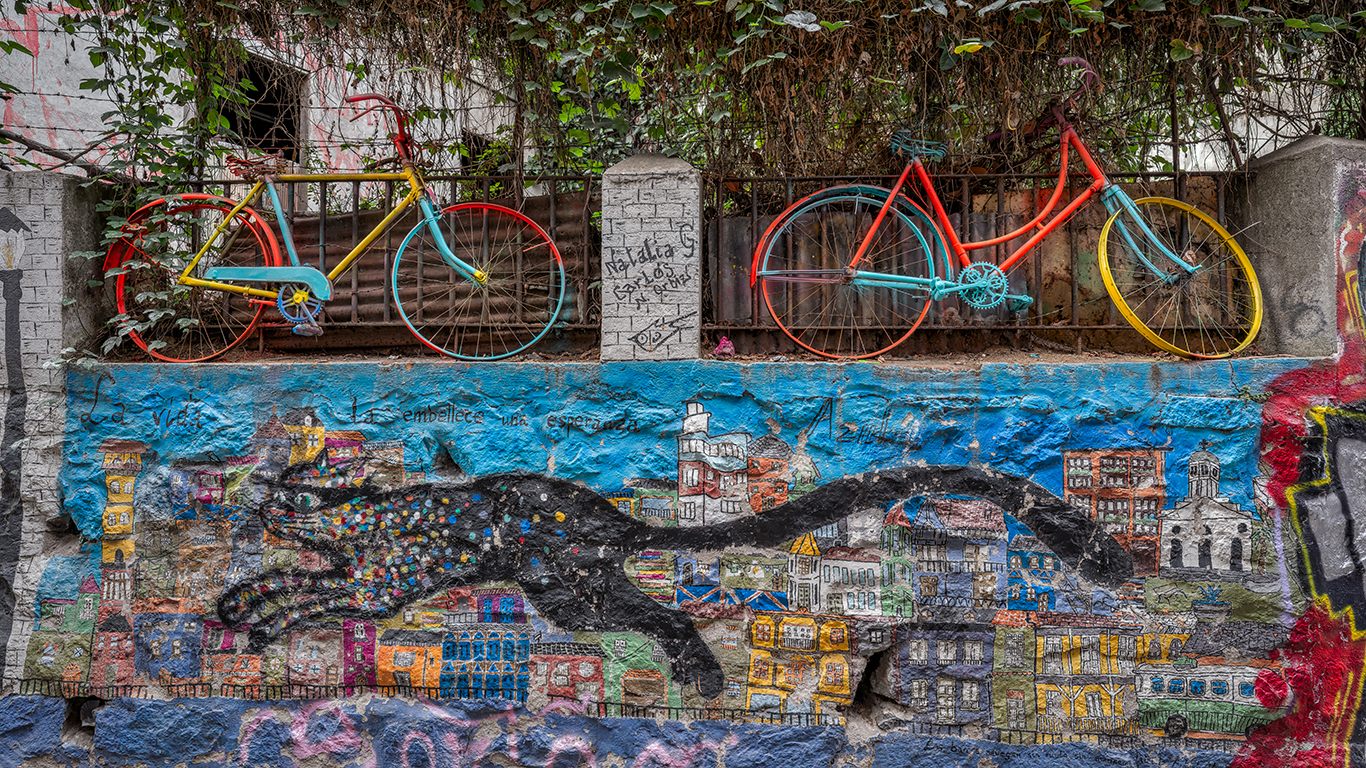
This morning, depart Santiago for the colourful port city of Valparaíso, a UNESCO World Heritage
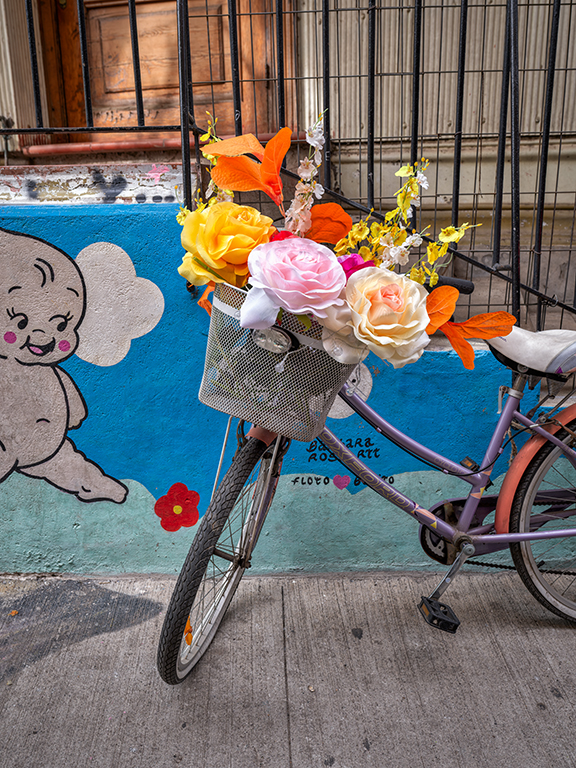
Site renowned for its steep hills, historic funiculars, vibrant street art, and distinctive bohemian
atmosphere. Stroll through its charming neighbourhoods, admire the colourful houses overlooking
the Pacific Ocean, and discover the city’s rich maritime history and artistic spirit.
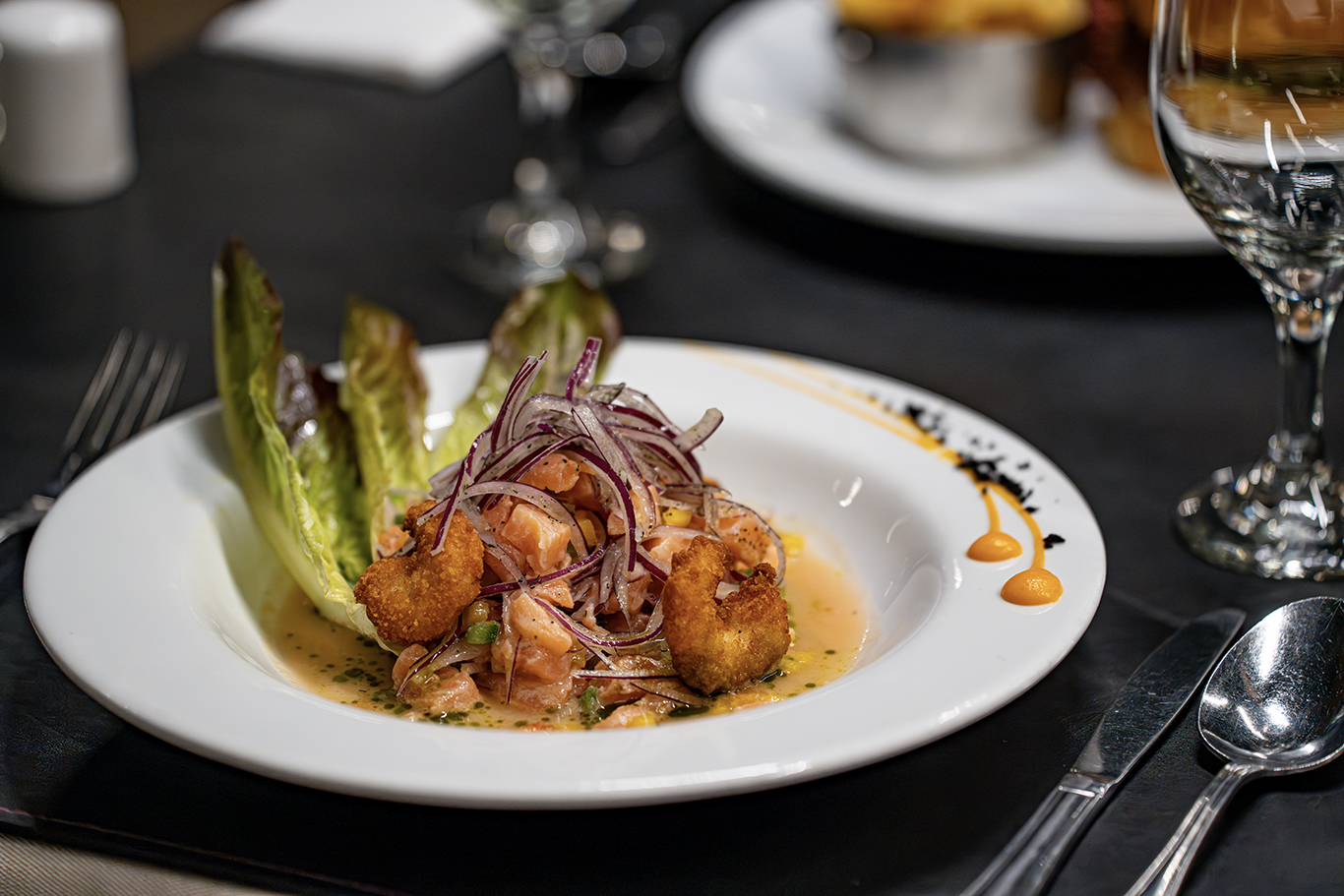
Following your guided exploration, enjoy lunch at a local restaurant featuring regional cuisine
before returning to Santiago.
In the afternoon, ascend San Cristóbal Hill aboard the iconic cable car for spectacular panoramic
views of the city and the Andes Mountains. As the sun begins to set, take in one of Santiago’s
most memorable vistas, watching the city transform under the warm evening light—a perfect way
to conclude your day.
June 1st Santiago- Torres del Paine National Park
Your guide meets you in the lobby of the hotel and escorts you to your waiting vehicle for your
direct transfer to Santiago’s Arturo Merino Benitez airport. Upon arrival at the airport, your guide
is on-hand to assist with check-in formalities.
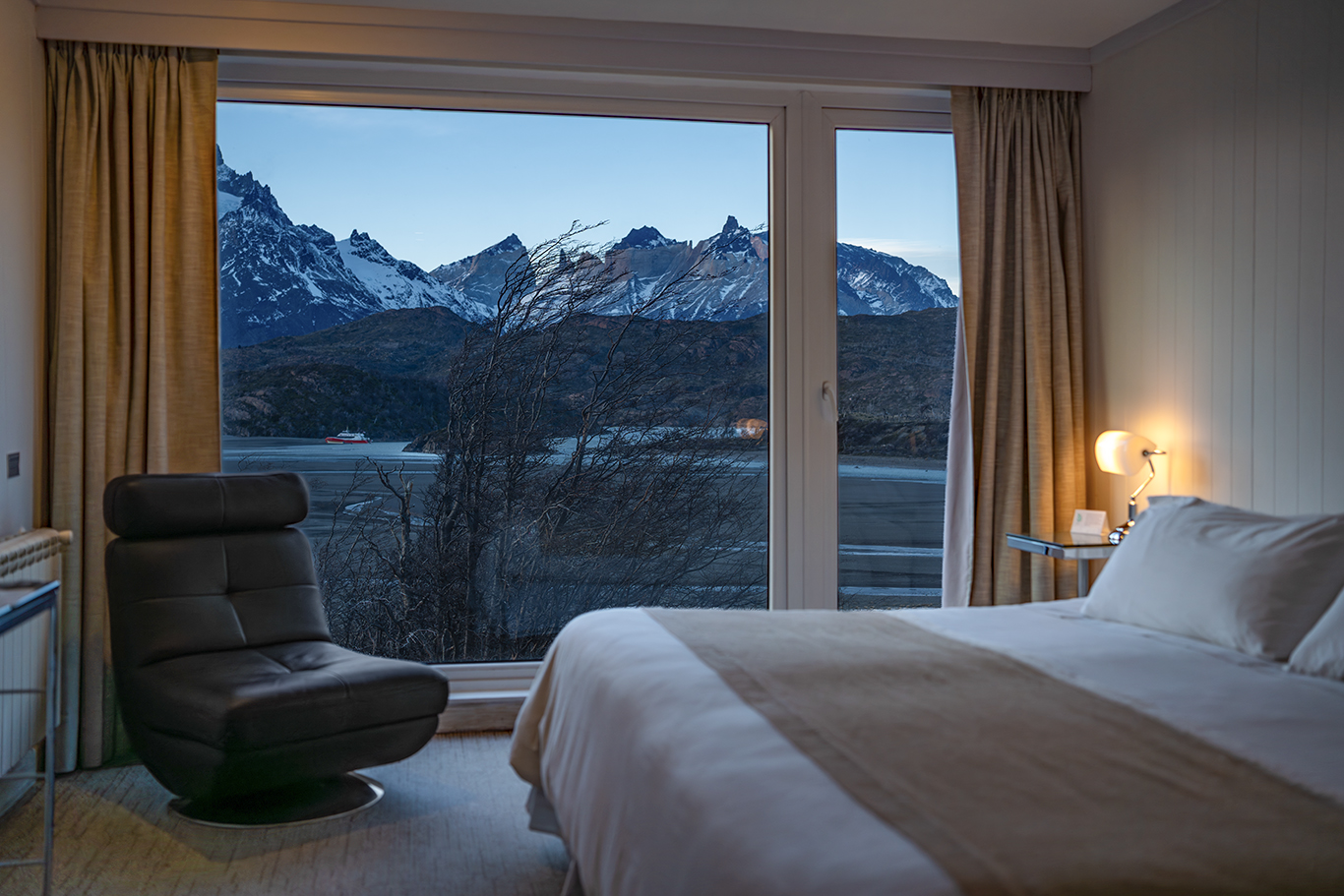
Upon arrival at Puerto Natales Airport, meet your local guide and transfer to your hotel in
Cerro Castillo, the gateway to Torres del Paine National Park. After check-in, take time to settle
in and enjoy the peaceful Patagonian surroundings.
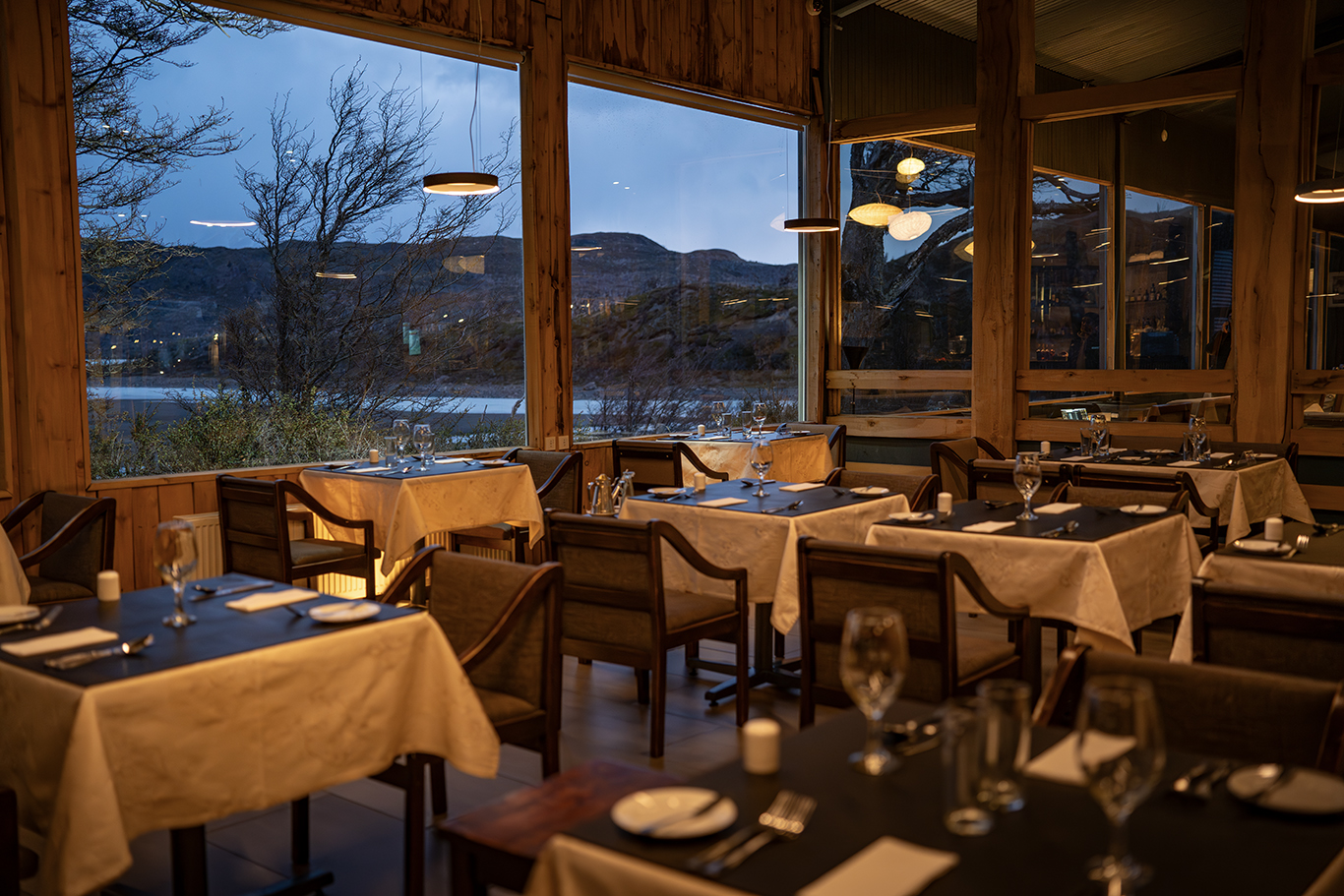
This evening, savor dinner at the hotel before an overnight stay.
Have you ever felt completely insignificant in comparison to nature? Well, get ready to feel
precisely that way among the turquoise waters, glaciers and towering granite horns of the Torres
del Paine National Park. The jaw-dropping landscapes of this eighth wonder of the world are
humbling indeed. You can enjoy terrific wildlife-watching in Torres del Paine: see majestic condors
wheeling in the pristine skies overhead. Look out for foxes, huemul or Andean deer and guanacos
along the way, and if you lie in wait patiently, you might be lucky enough to spot the reclusive
puma.
June 2nd, Torres del Paine National Park
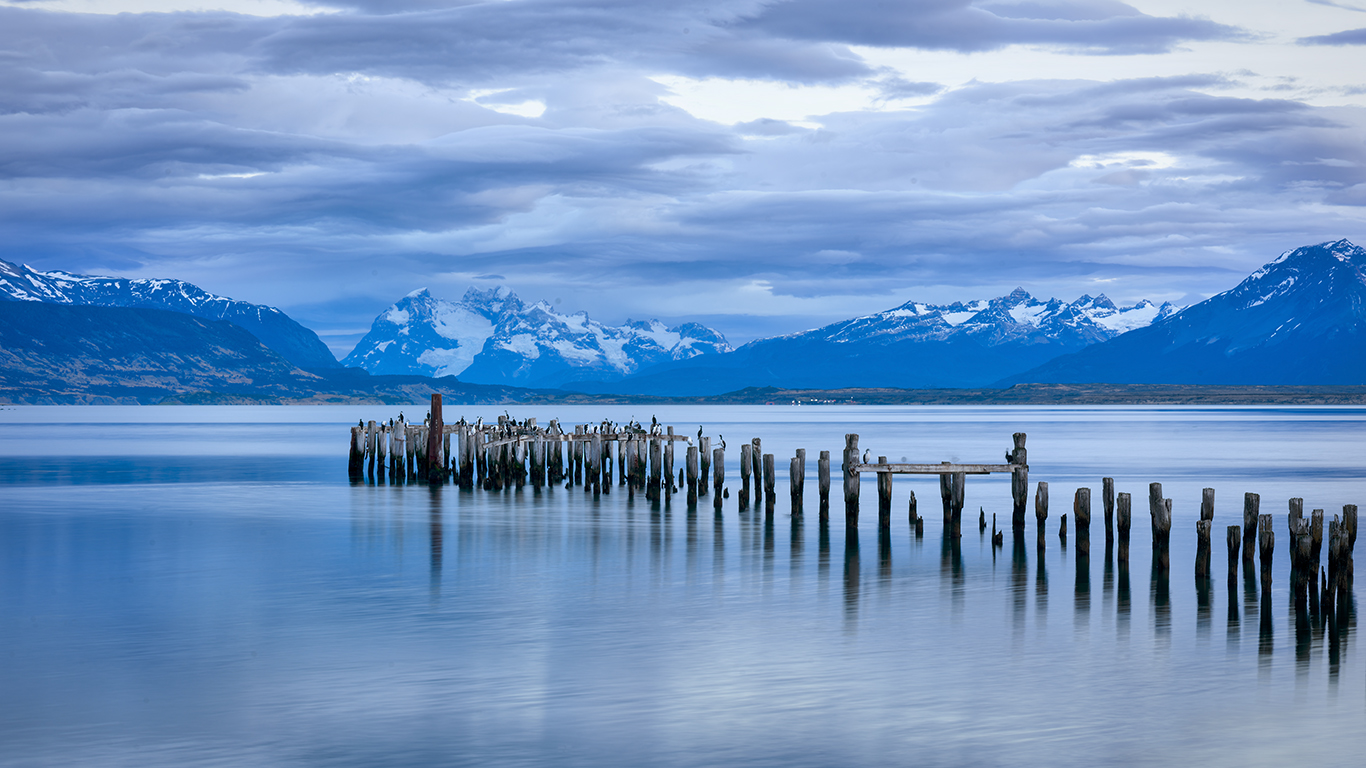
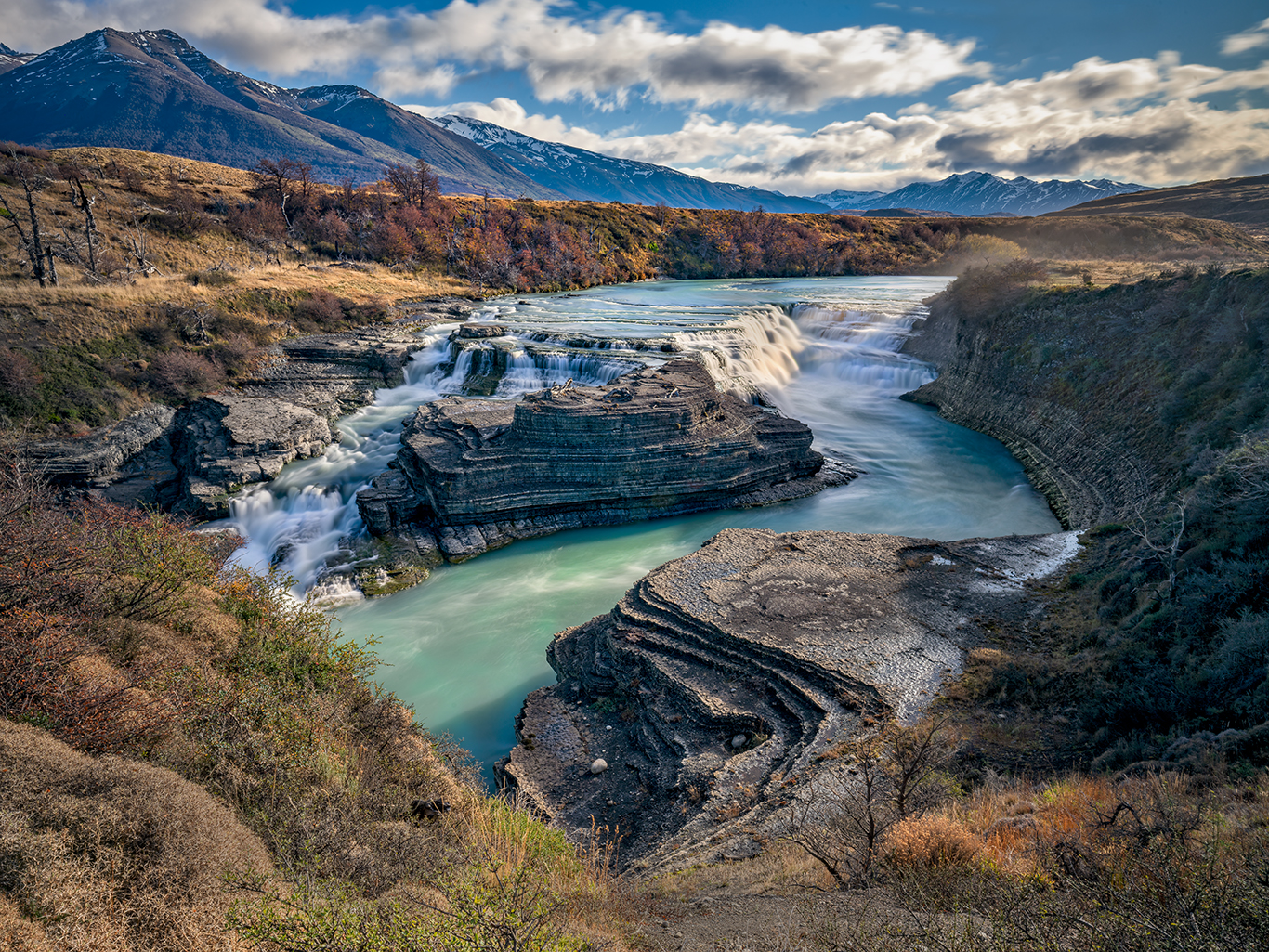
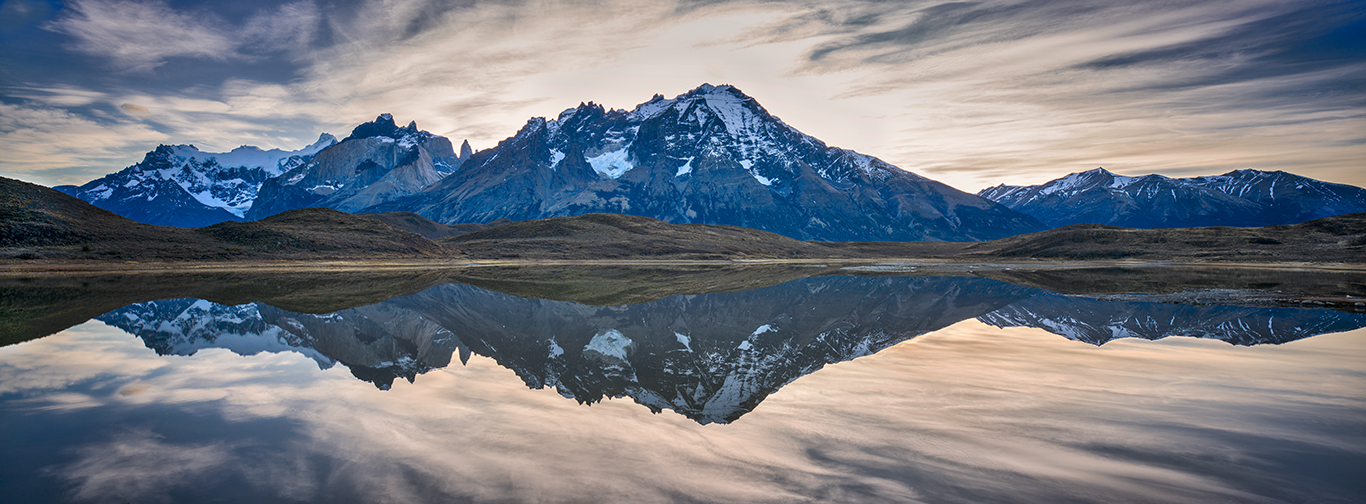
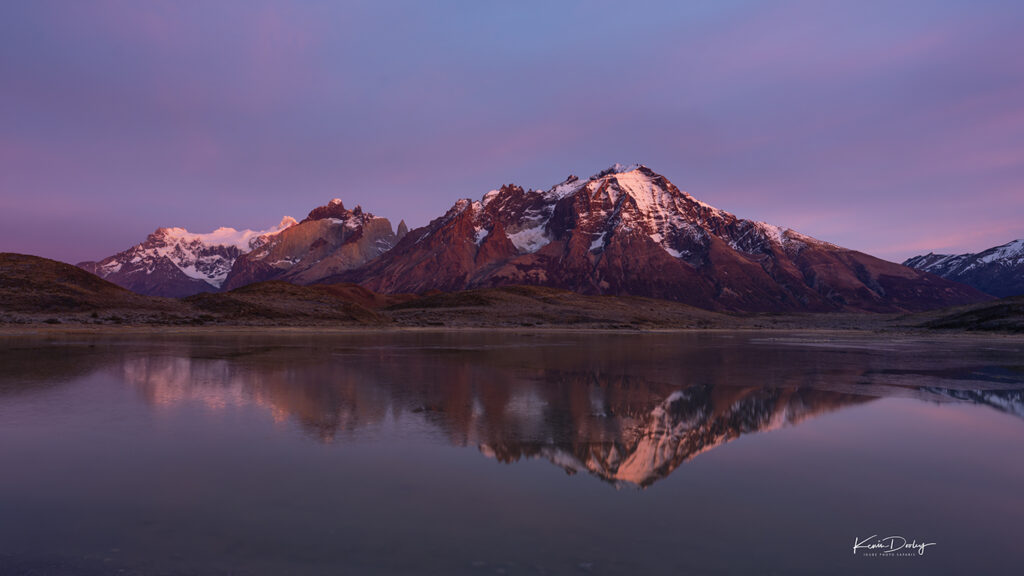
The day begins in tranquil silence at sunrise from the Serrano River Lookout, where the first light softly illuminates the distant Paine Massif, tinting its peaks in delicate pastels. A gentle mist rises from the river’s surface, casting ethereal reflections of the granite towers above—a perfect moment for long exposures and atmospheric landscapes.
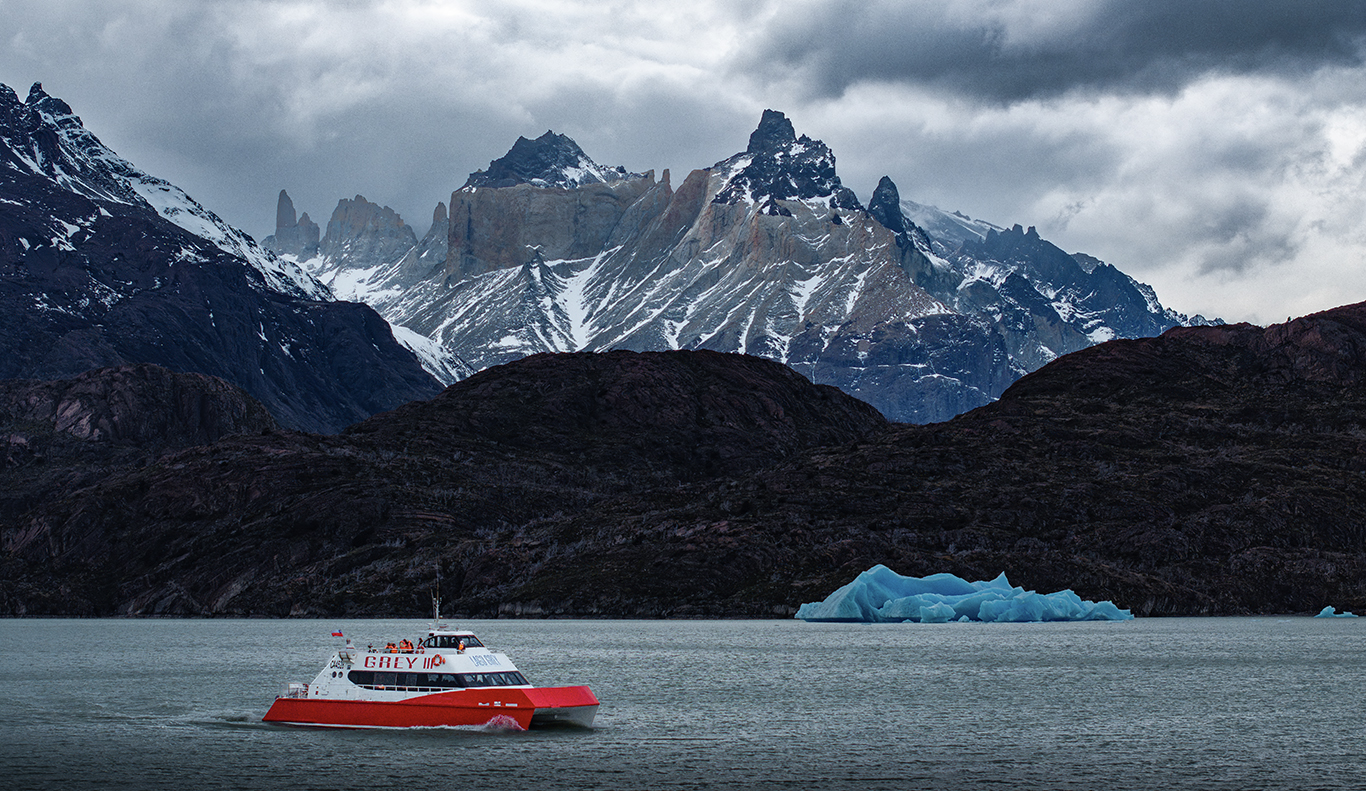
From there, the journey leads deeper into the western reaches of Torres del Paine National Park, with stops at Grey Lake, where luminous blue icebergs drift across glacial waters, and at Weber Bridge, offering sweeping panoramic views and chances for wildlife sightings bathed in the golden hues of late afternoon.
Dinner and overnight at Hotel Estancia.
June 3rd, 4th, 5th. National Park Pumas
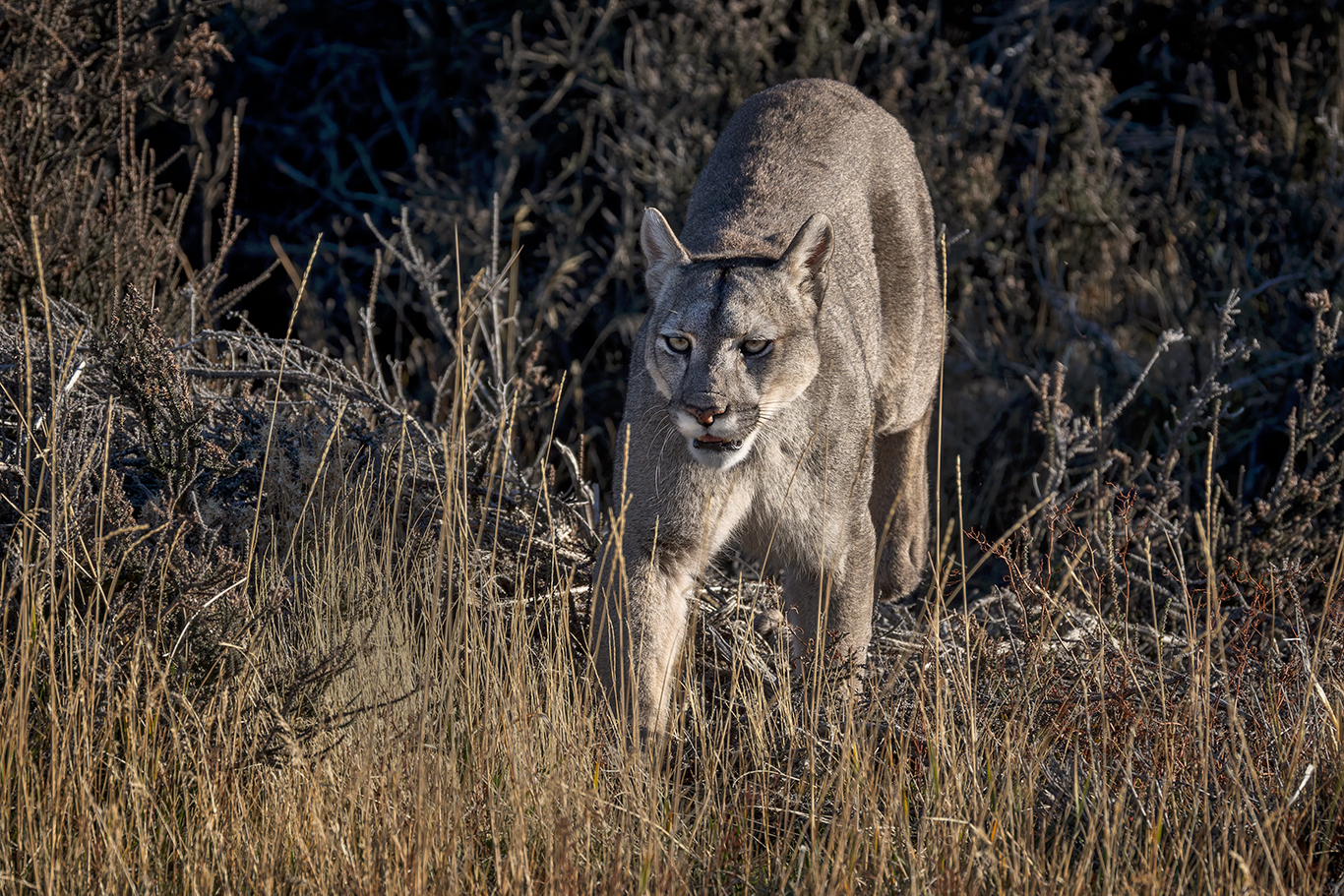
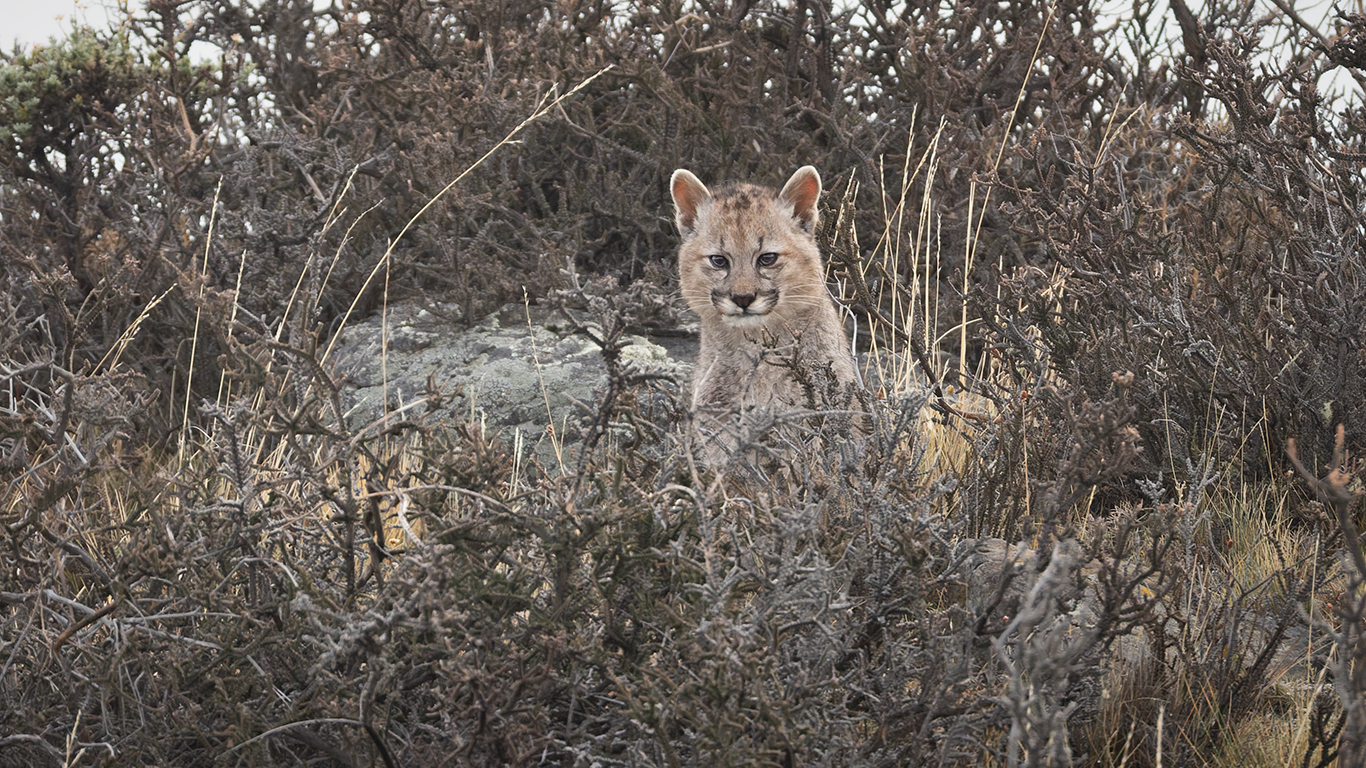
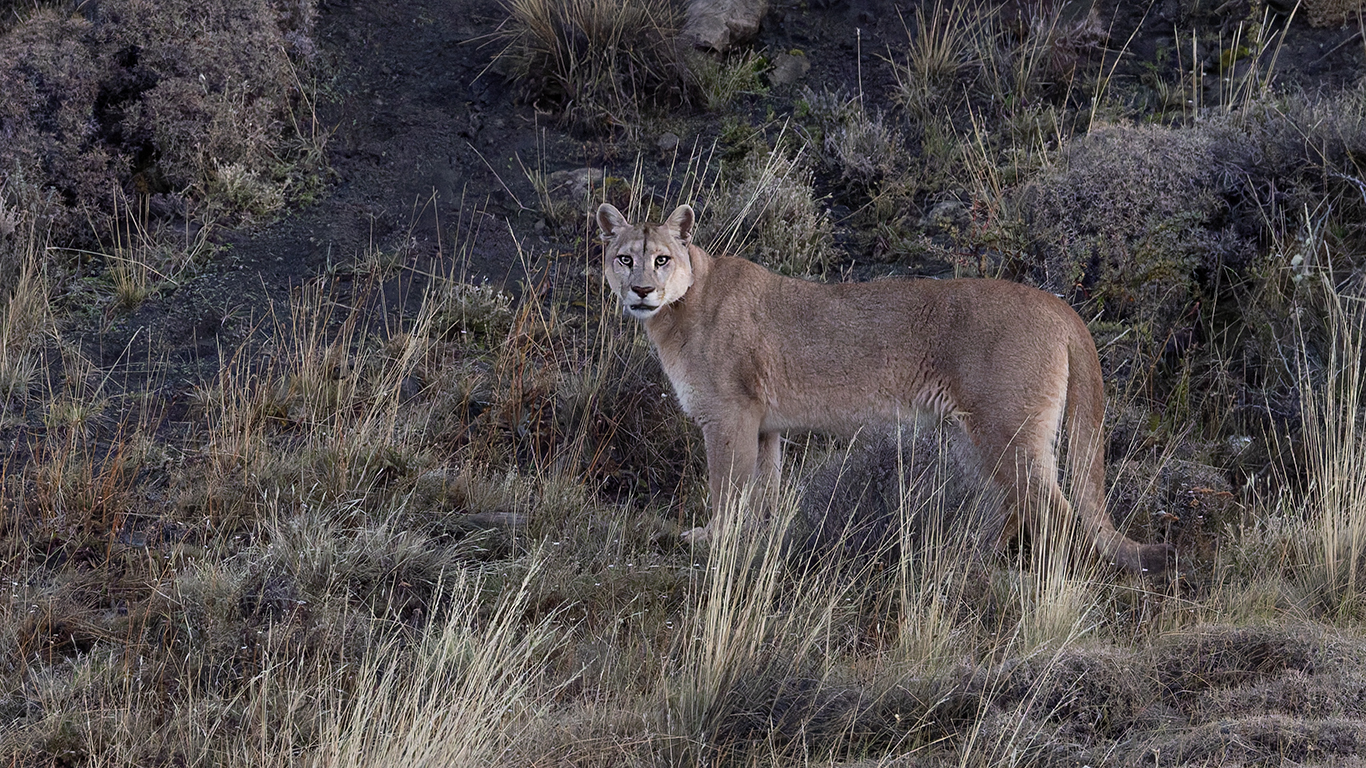
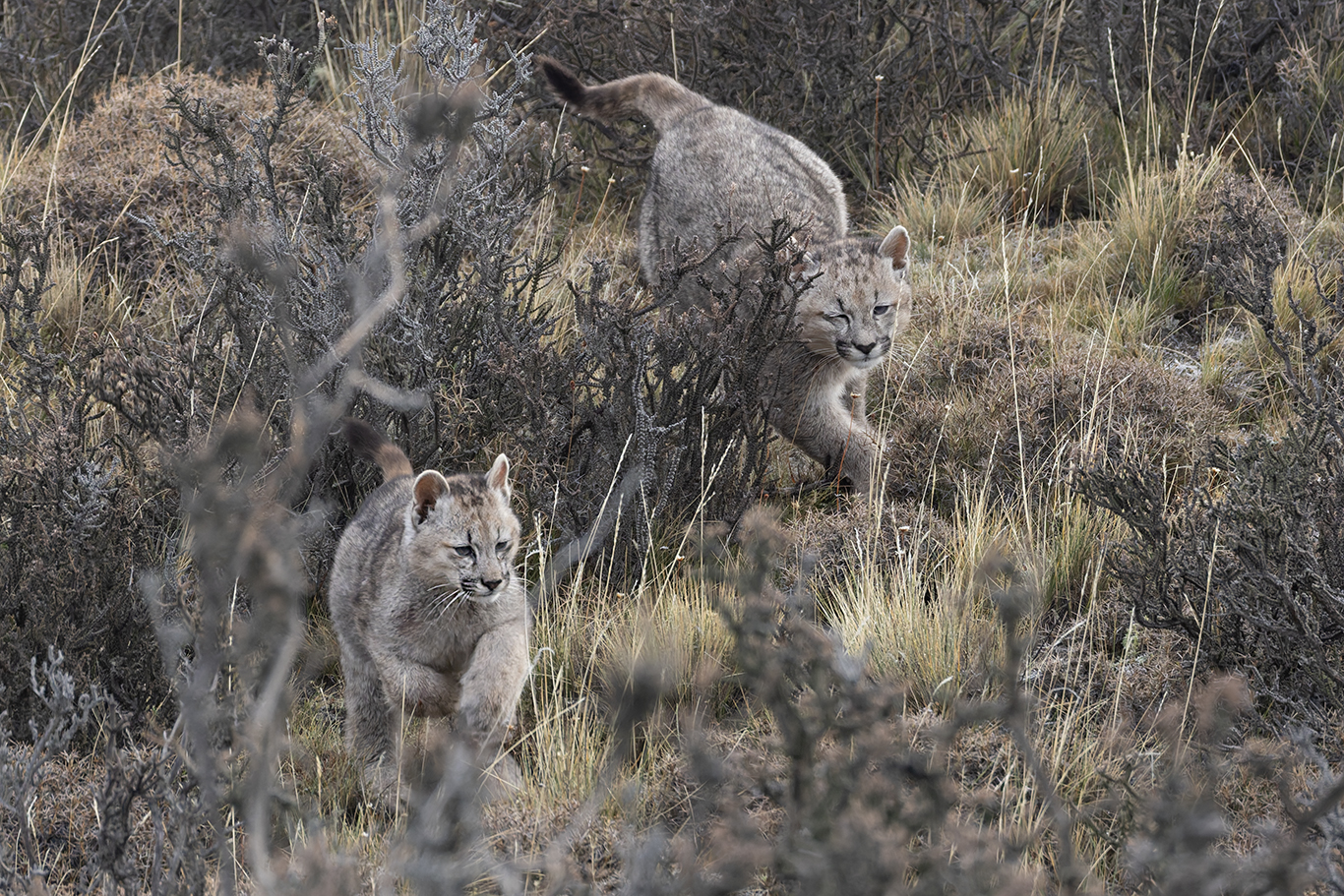
Early in the morning, where your guide will introduce the Puma Tracking team. The group will search different sectors of the park to maximize coverage and increase the chances of spotting a puma as it patrols its territory. Pumas are most active in the early morning hours.
it’s important to remember that these are wild animals—unfed and untrained—so sightings can never be guaranteed. Over the course of three days, guests will have the opportunity to participate in early-morning outings dedicated to puma tracking. Each day begins your guide will introduce the Puma Tracking team and outline the plan for the day. The group will explore different sectors of the park, maximizing coverage and increasing the chances of spotting a puma as it patrols its territory—most active during the early morning hours.
Years of monitoring have identified several key areas frequently visited by pumas, significantly enhancing the likelihood of an encounter. However, as these are wild, unfed, and untrained animals, sightings can never be guaranteed.
Tracking pumas requires a blend of experience, patience, and luck. The activity typically involves extended periods of driving and stopping to scan the terrain with binoculars, listening for guanaco alarm calls, and observing the behavior of scavenging birds such as condors and Southern Caracaras
Tracking pumas requires a combination of knowledge, patience, and a bit of luck. The experience often involves long periods of driving and stopping to scan the landscape with binoculars, listening for guanaco alarm calls, and watching the movements of scavenging birds like condors and Southern Caracaras.
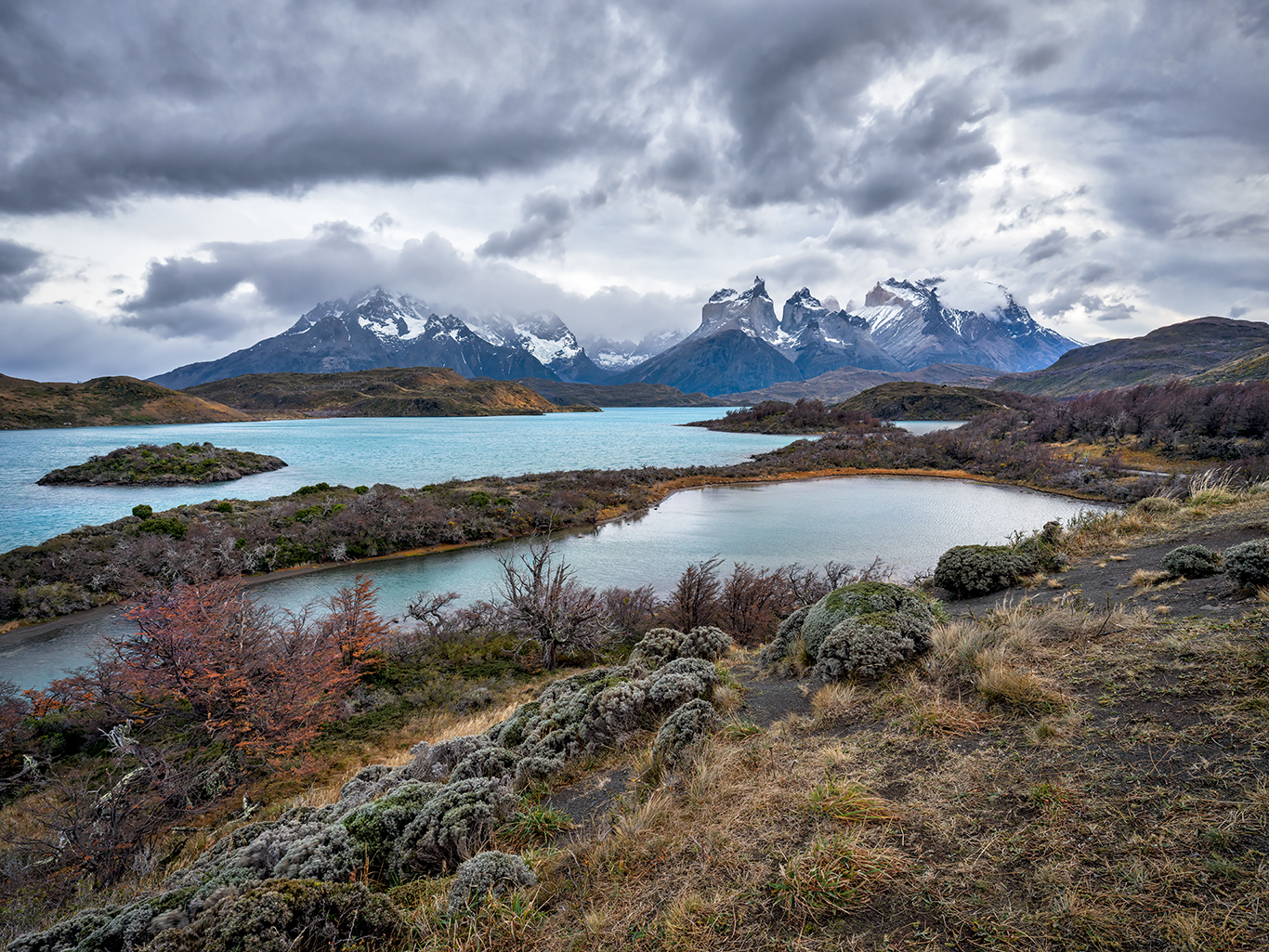
In the afternoon, continue the journey through Torres del Paine National Park, with scenic stops at the viewpoints of Nordenskjöld Lake and Pehoé La
June 6th
Today, immerse yourself in the traditions of a genuine Patagonian estancia, enjoying a memorable
day of local culture, cuisine, and rural heritage.
Begin with a welcome Pisco Sour before savouring an authentic Magellanic lamb barbecue, slow-
cooked over an open fire or in a traditional oven. Served buffet-style, the feast features a selection
of premium lamb cuts, seasonal salads, roasted potatoes, homemade breads, pebre, delicious
desserts, Chilean wine, mineral water, and tea or coffee.
Following lunch, experience the rich traditions of Patagonian ranching with a Chilean horse and
huaso demonstration presented by the Cárdenas family, renowned breeders of pure Chilean
horses. Watch skilled riders showcase the agility and strength of the Chilean Corralero horse as
they demonstrate traditional cattle-handling techniques.
Continue with an impressive sheepdog demonstration, where expertly trained working dogs
respond to their shepherd’s whistle commands to skilfully guide the flock—an authentic display of
everyday life on a Patagonian estancia.
In the afternoon, visit the “Tierra de Ovejeros” wool workshop to discover both traditional and
modern wool-processing techniques. Learn about the washing, carding, and preparation of sheep’s
wool, explore the uses of natural lanolin, and gain insight into one of Patagonia’s most important
regional products.
At the conclusion of your estancia experience, depart for Puerto Natale
June 7th Puerto Natales - Santiago
After breakfast, depart from Puerto Natales and travel to the Milodon Cave Natural Monument,
where the remains of the prehistoric giant sloth were discovered, offering a fascinating glimpse
into Patagonia’s ancient past.
Following the visit, enjoy lunch at a local restaurant before transferring to Puerto Natales
Airport for your flight to Santiago.
Upon arrival in Santiago, your local guide will be waiting to welcome you and transfer you to your
hotel in the vibrant Lastarria District
Safari Cost
INCLUSIONS
- Transportation by private vehicle with local English-speaking guide
- Meals as per itinerary described above, B= breakfast, L=lunch, D= dinner
- Accommodation in rooms with private bathrooms
- Excursions and services as per itinerary
- Entrance fees for scheduled sightseeing
- Taxes and service charges – hotel taxes and service charges as imposed by the government are included for hotel services specified in the itinerary
EXCLUSIONS
- Air transportation and/or airport taxes, unless specified above Domestic Air $850.00
- Tips for guides, drivers and hotel staff
- Extras at hotels (laundry, telephone calls, tips, etc)
- Any other items not mentioned above
- Maximum permitted luggage on domestic flights: 23 (twenty-three) kilos in hold and 08 (eight) kilos hand luggage.
- At the moment of entering the country it is necessary to declare the entry of the following products:
- Milk, butter, cream and cheese
- Fresh fruits and vegetables
- Meats of any kind, cold cuts, and sausages
- Seeds, grains, nuts, dried or dehydrated fruits
- Fruit plants, ornamental plants, forest plants or part of them: branches, cuttings, bulbs and others
- Flowers, dried flowers and garden plants. Soil
- Wood or barks
- Insects, snails and others. Bacteria and molds for scientific research. Bees, honey and beeswax
- Animal semen, biological products and veterinarian medicines
- Small animals and pets (dogs, cats, other). Birds
- Alive species, products or sub products from them, or elaborated from wild fauna
*Tipping is customary in Chile, and is at the client discretion.
Easter Island Add on
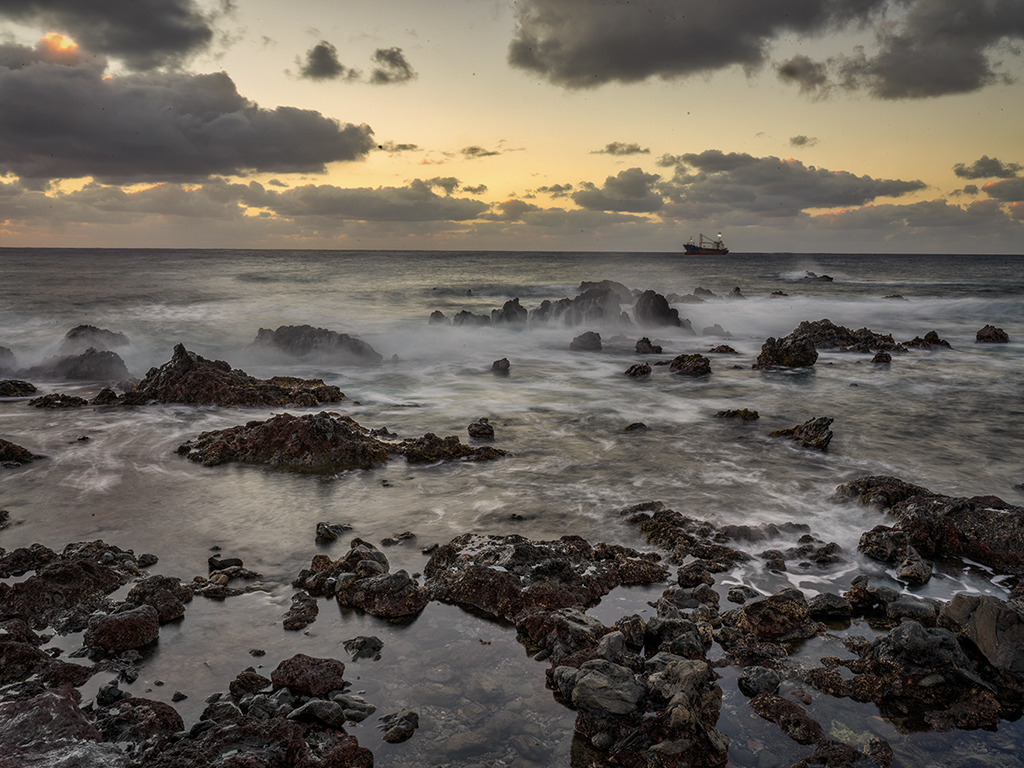
- Find European history and architecture dating from the founding of Santiago in 1541.
- Appreciate one of Earth’s most unique destinations and a general cultural icon (UNESCO World’s Heritage Site).
- Meet a unique culture in the most isolated place on the face of the earth.
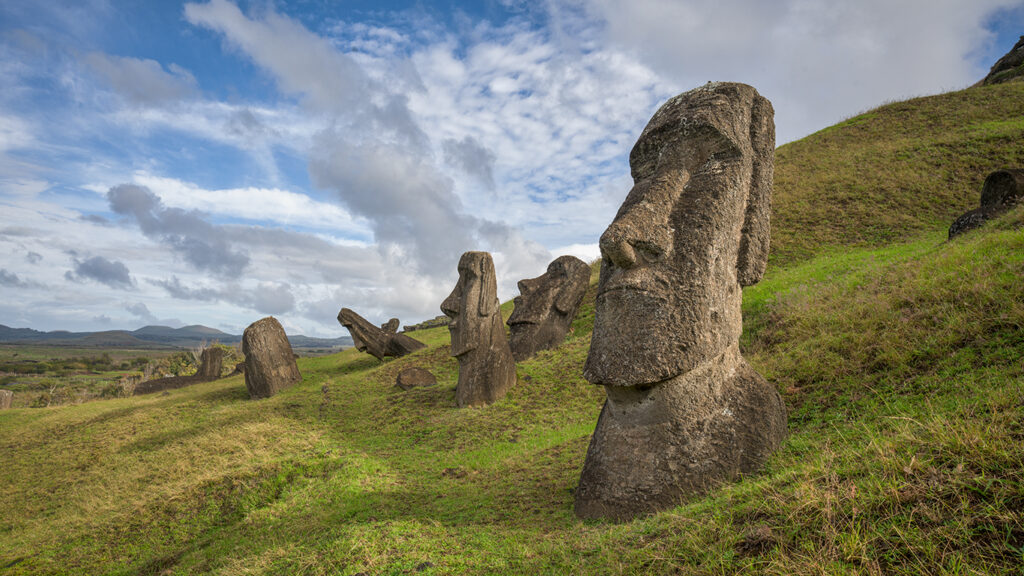
- Marvel with archaeological mysteries with over 600 Moai, human shaped statues 800 years old.
June 8th 2027
Santiago – Easter Island
Hare Nua Hotel
Standard Rooms
June 9th 2027
Easter Island
Hare Nua
Standard Rooms
June 10th 27
B-L
Easter Island
Hare Nua
Standard Rooms
June 11th 2027
B
Depart Easter Island to Santiago
JUne 8th 2027
Santiago-Easter IslandYour guide meets you in the lobby of the hotel and escorts you to your waiting vehicle for your direct transfer to Santiago’s Arturo Merino Benitez airport. Upon arrival at the airport, your guide is on-hand to assist with check-in formalities.
Welcome at Easter Island, “Te Pito O Te Henua” (Middle of The World)!
Upon arrival at Mataveri airport, you will be met and transferred to your hotel.Discovered in 1771 on Easter Sunday (hence its name) the island is more ‘Polynesian’ than South American in character. This 64 square mile island was annexed by Chile in 1888 and is now famous as the world’s largest ‘open air’ museum because of the moai, the large stone statues of which there are well over 800 scattered on the island. Although different theories exist as to how and why these monuments were created, the moai and other elements of the Rapa Nui culture remain a mystery due to the lack of documentation from this period.
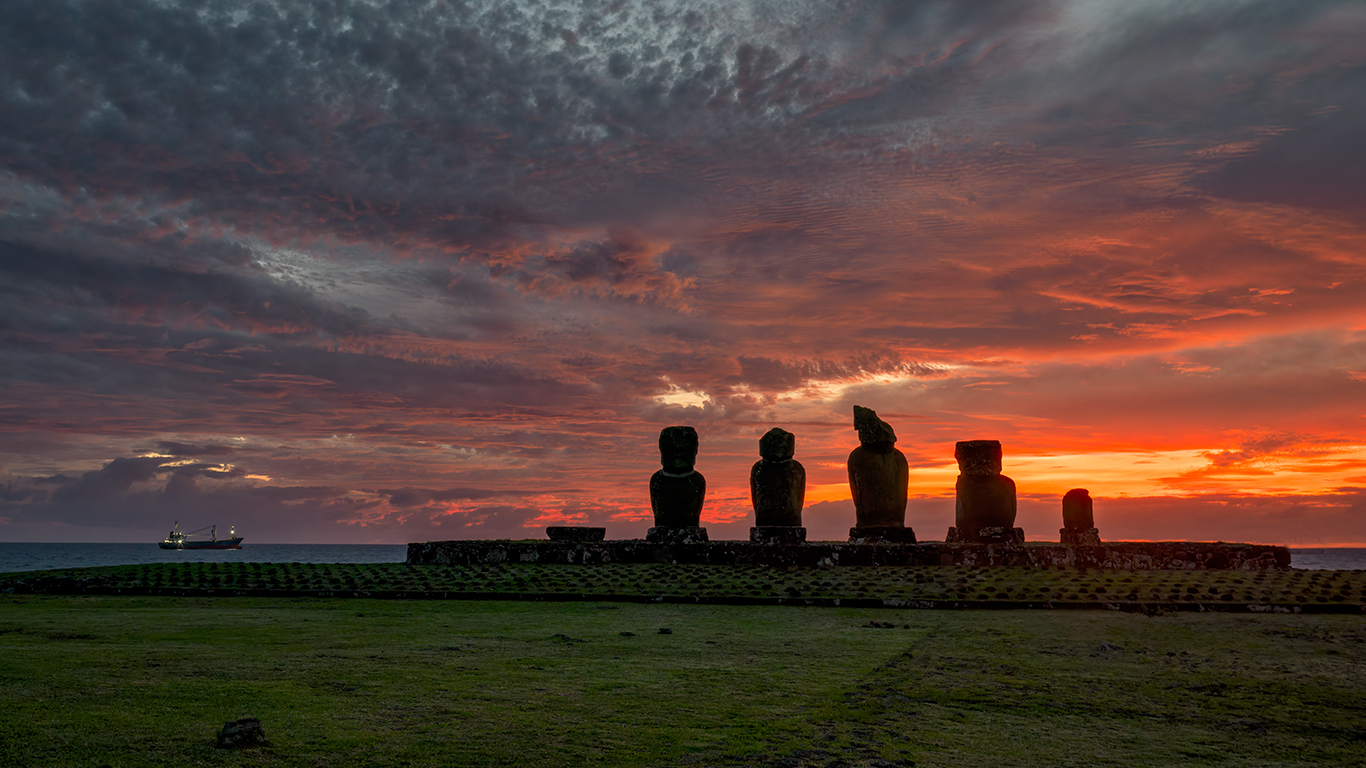
This afternoon, you will be picked up from your hotel for a unique photography experience at Ahu Tahai, one of Easter Island’s most iconic archaeological sites.
Facing the vast Pacific Ocean, Ahu Tahai offers a perfect setting to capture the changing light and atmosphere as the sun sets behind the ancient moai statues. Your guide will share insights about the site’s history and help you find the best vantage points to photograph the silhouettes of the moai against the golden sky.
As the sun begins to dip below the horizon, enjoy a sunset toast — a perfect way to end the day while appreciating the peaceful and powerful beauty of this sacred place.
After the experience, you’ll be transferred back to your hotel.
June 9thEaster IslandThis day is designed for photography enthusiasts eager to capture the island’s most breathtaking landscapes and ancient sites under the best natural light conditions.
Morning: Orongo & Rano Kau Crater
After breakfast, depart for the Rano Kau volcano, one of the most dramatic natural features on the island. The enormous crater, filled with lush vegetation and a serene freshwater lake, offers endless opportunities for creative photography. Continue to the Orongo ceremonial village, where you’ll photograph the stone houses and petroglyphs overlooking the ocean and the islets of Motu Nui and Motu Iti, once central to the Birdman cult.
Afternoon: Ahu Akivi & Puna Pau
In the afternoon, visit Ahu Akivi, famous for its seven standing moai statues that face the ocean—unique on the island and perfectly aligned with the summer solstice. Continue to Puna Pau, the red volcanic rock quarry where the topknots (pukao) of some moai were carved. Along the way, enjoy panoramic views of Hanga Roa and the rugged coastline, capturing the play of light and shadow that makes this island so photogenic.
Exploring these sites will give photographers a deep sense of Rapa Nui’s natural beauty and cultural richness.
Important Note:
Professional photographers planning to use the images for commercial or editorial purposes must obtain a special photography permit for filming or shooting inside the National Parks.
The order of excursions may vary according to weather conditions and light qualityJune 10thEaster Island
Today’s excursion is designed for photographers eager to capture the timeless spirit of Rapa Nui through its most iconic archaeological sites and breathtaking landscapes.
Begin your day exploring Ahu Akahanga, an evocative site where several moai lie toppled and partially buried, offering striking compositions that reflect the passage of time and history. Continue to Rano Raraku, the volcanic crater that served as the quarry and birthplace of nearly all the island’s moai. Scattered across the slopes, more than 300 statues in various stages of carving create one of the most powerful and photogenic scenes on Easter Island.Next, visit Ahu Tongariki, the island’s most impressive platform, featuring fifteen restored moai standing majestically against the Pacific Ocean—an unforgettable setting for wide-angle and landscape photography. The journey continues to La Perouse Bay to photograph Ahu Te Pito Kura, known as the “Navel of the World,” with its enigmatic magnetic stone.
End the day at Anakena Beach, where turquoise waters, white sand, and moai framed by palm trees create a perfect contrast for capturing the island’s softer, more serene side.
Important Note:
Professional photographers planning to use images for commercial or editorial purposes must obtain a special photography permit for filming or shooting inside the National Parks.
The order of excursions may vary depending on weather conditions and lighting.
Taha Tai
June 11th
Easter Island
Start your day early with a magical sunrise at Ahu Tongariki, the island’s most iconic site for photographers. As the first light of day breaks behind the 15 majestic moai, you’ll capture one of the most powerful scenes on Easter Island — a moment of light, shadow, and silence that embodies the island’s ancient mystery.
After the sunrise session, return to your hotel for breakfast and some leisure time. Take a relaxed stroll through Hanga Roa village, visit the local craft market, or simply enjoy your final morning surrounded by the Pacific breeze.
Add on Cost
Does not include Domestic Air.
Double
Single PP
INCLUSIONS
- Transportation by private vehicle with local English-speaking guide
- Meals as per itinerary described above, B= breakfast, L=lunch, D= dinner
- Accommodation in rooms with private bathrooms
- Excursions and services as per itinerary
- Entrance fees for scheduled sightseeing
- Taxes and service charges – hotel taxes and service charges as imposed by the government are included for hotel services specified in the itinerary
EXCLUSIONS
- Air transportation and/or airport taxes, unless specified above.
- Tips for guides, drivers and hotel staff
- Extras at hotels (laundry, telephone calls, tips, etc)
- Any other items not mentioned above
- Maximum permitted luggage on domestic flights: 23 (twenty-three) kilos in hold and 08 (eight) kilos hand luggage.
- At the moment of entering the country it is necessary to declare the entry of the following products:
- Milk, butter, cream and cheese
- Fresh fruits and vegetables
- Meats of any kind, cold cuts, and sausages
- Seeds, grains, nuts, dried or dehydrated fruits
- Fruit plants, ornamental plants, forest plants or part of them: branches, cuttings, bulbs and others
- Flowers, dried flowers and garden plants. Soil
- Wood or barks
- Insects, snails and others. Bacteria and molds for scientific research. Bees, honey and beeswax
- Animal semen, biological products and veterinarian medicines
- Small animals and pets (dogs, cats, other). Birds
- Alive species, products or sub products from them, or elaborated from wild fauna